How to Grow Instagram Organically Step by Step
Growing Instagram organically is a long-term process that focuses on attracting real people who are genuinely interested in your content. Unlike paid advertising or artificial growth methods, organic Instagram growth comes from valuable content, consistent publishing, audience engagement, and a clear understanding of what your followers want.
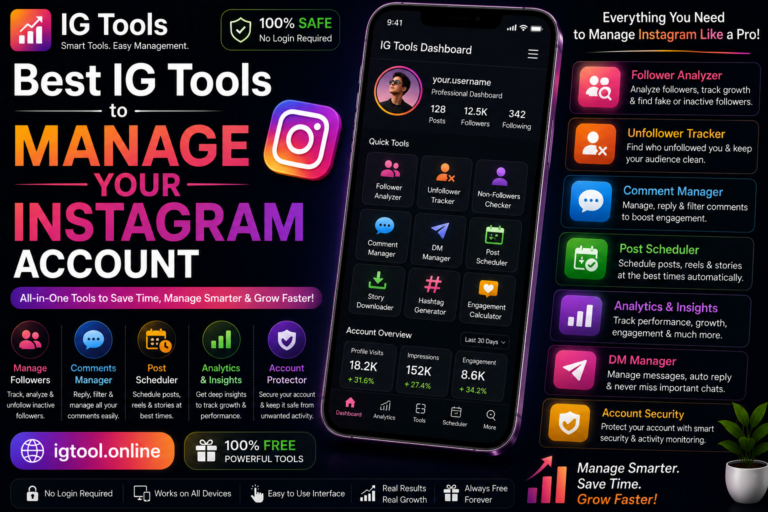
Whether you are a creator, business owner, freelancer, influencer, or marketer, you can build an organic Instagram strategy by following a structured process. IG Tools can also make the process easier by helping with content research, analytics, scheduling, keyword research, and performance tracking.
Step 1: Define Your Instagram Goal
The first step is deciding what you want to achieve with your Instagram account.
Your goal could be gaining relevant followers, increasing engagement, generating leads, promoting products, building a personal brand, or driving traffic to your website.
A clear goal helps you choose the right content and metrics.
For example, if your main goal is audience growth, you may focus heavily on reach, Reels, profile visits, and follower conversion. If your goal is business growth, you may pay more attention to inquiries, website clicks, and conversions.
Step 2: Identify Your Target Audience
You cannot create effective content without knowing who you want to reach.
Think about your ideal followers. What are their interests? What problems do they have? What questions do they ask? What type of content do they enjoy?
The more specific your audience is, the easier it becomes to create relevant content.
You can use Instagram analytics and audience-focused IG Tools to understand your existing followers and identify engagement patterns.
Step 3: Optimize Your Instagram Profile
Before attracting more visitors, make sure your profile is ready.
Choose a clear username, recognizable profile picture, relevant profile name, and useful bio.
Your bio should quickly explain who you are, what you offer, and why someone should follow you.
If you have a website, store, portfolio, or booking page, use your profile link strategically.
Think of your Instagram profile as a landing page. It should make a strong first impression.
Step 4: Choose Your Content Topics
Create a few content pillars that define your Instagram account.
For example, a digital marketing account might focus on Instagram marketing, SEO, content creation, analytics, and business tips.
Content pillars prevent your account from becoming random and make it easier to plan posts.
Create multiple ideas under each topic so you always have relevant content available.
Step 5: Research Content Ideas
Use content research IG Tools to discover relevant topics, questions, keywords, and trends.
Your own audience is also an excellent source of ideas. Look at comments, messages, questions, and poll responses.
If people repeatedly ask about a specific topic, create content answering that question.
Research should help you understand demand, but your content should remain original.
Step 6: Create Valuable Content
Your content should provide a clear reason for people to follow you.
Create posts that educate, entertain, inspire, solve problems, or provide practical information.
Think about what your audience can learn or gain from each piece of content.
High-value content is more likely to generate saves, shares, comments, and long-term interest.
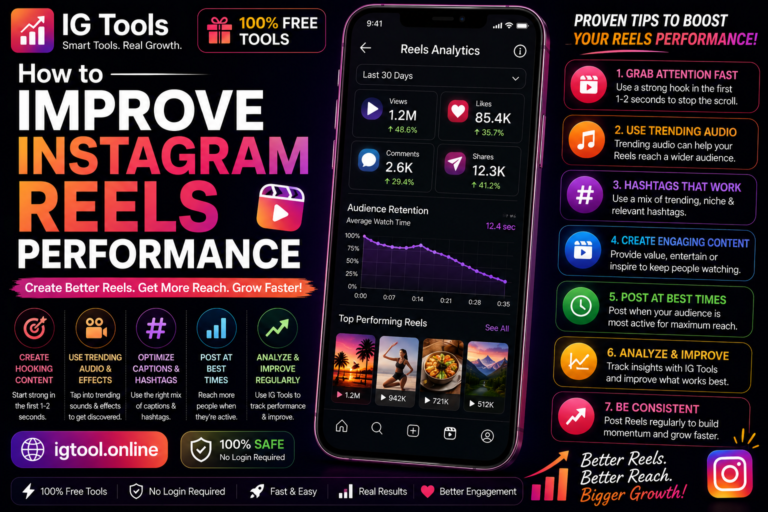
Step 7: Use Instagram Reels
Reels can help you reach people who do not already follow you.
Create short videos around topics that are relevant to your target audience.
Start with a strong hook and communicate the main idea quickly.
You can create tutorials, tips, demonstrations, storytelling videos, list-style content, educational videos, or relatable content depending on your niche.
Use Reel analytics to identify which formats and topics perform best.
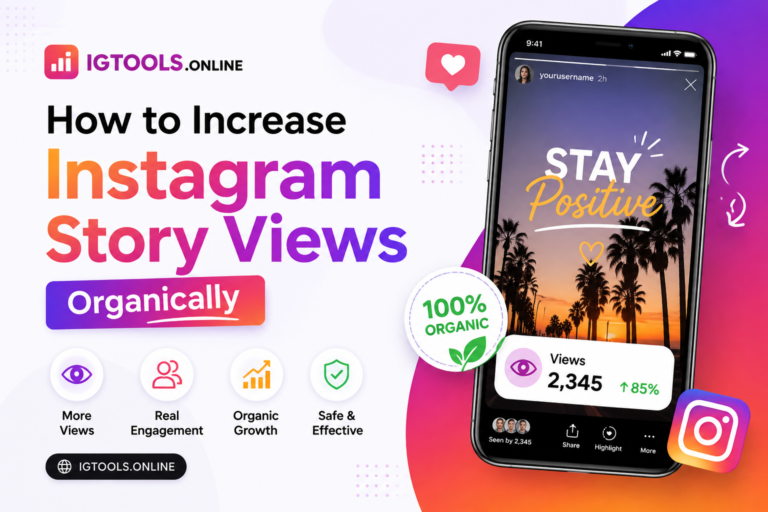
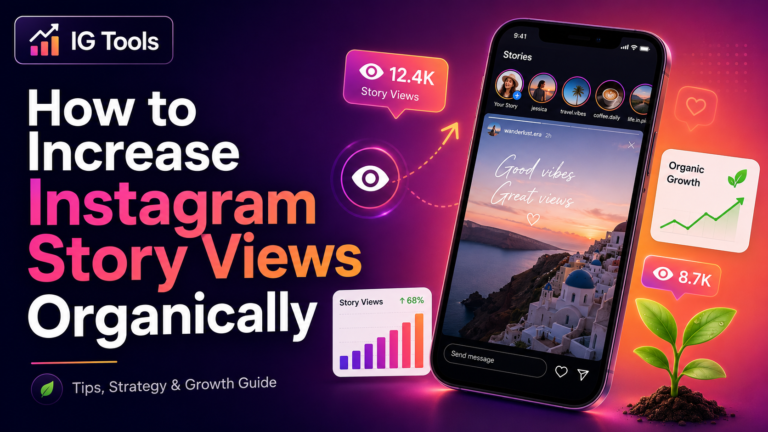
Step 8: Create Engaging Stories
Stories can help maintain relationships with your existing audience.
Share behind-the-scenes content, quick tips, updates, questions, polls, quizzes, and other interactive content.
Use Stories to show personality and make your account feel more human.
You can also use them to introduce new Reels or posts and encourage followers to explore your content.
Step 9: Use Relevant Keywords
Keywords can help communicate the subject of your profile and content.
Use relevant terms naturally in your profile name, bio, captions, and on-screen text where appropriate.
Keyword research IG Tools can help you discover phrases related to your niche.
Do not stuff your content with keywords. Keep your language natural and easy to understand.
Step 10: Use Relevant Hashtags
Hashtags can help categorize your content and connect it with relevant topics.
Choose hashtags that accurately describe your niche and post.
Do not rely only on extremely popular hashtags. Specific and relevant hashtags can be more useful for reaching the right audience.
Hashtag research tools can help you discover potential options.
Step 11: Post Consistently
Consistency is important for organic growth.
You do not need to publish several times every day. Instead, create a schedule that you can maintain without sacrificing quality.
Scheduling IG Tools can help you prepare content in advance.
A consistent schedule gives your audience more opportunities to discover your content and gives you more data to analyze.
Step 12: Engage With Your Audience
Organic growth is not only about publishing content.
Respond to comments, answer relevant messages, participate in conversations, and acknowledge your followers.
When people feel that you are genuinely interested in your community, they may be more likely to return and interact with your content.
Avoid generic automated comments and focus on meaningful interactions.
Step 13: Create Shareable Content
Shares can help introduce your content to new people.
Create posts that are useful, relatable, entertaining, or informative enough for followers to send to others.
Practical tips, educational guides, interesting facts, checklists, and relatable experiences can encourage sharing.
Before publishing, ask whether someone would naturally want to recommend the content to a friend.
Step 14: Create Save-Worthy Content
People save content when they believe they will need it later.
Create tutorials, step-by-step guides, resource lists, checklists, and practical tips.
For example, you could create an Instagram optimization checklist that followers can save and use later.
This type of content can provide long-term value beyond the initial view.
Step 15: Collaborate With Relevant Accounts
Collaborations can introduce your account to new audiences.
Find creators, businesses, or brands whose followers are relevant to your niche.
You can create joint Reels, interviews, tutorials, Q&A sessions, or educational content.
The best collaborations provide value to both audiences rather than simply trying to exchange followers.
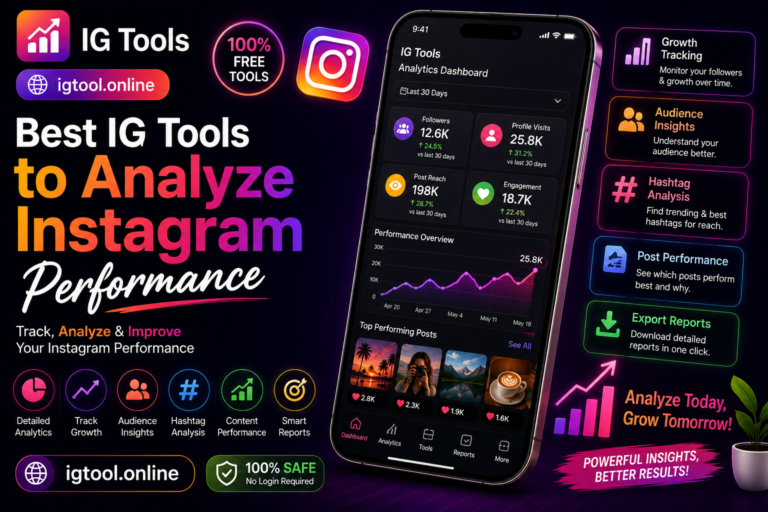
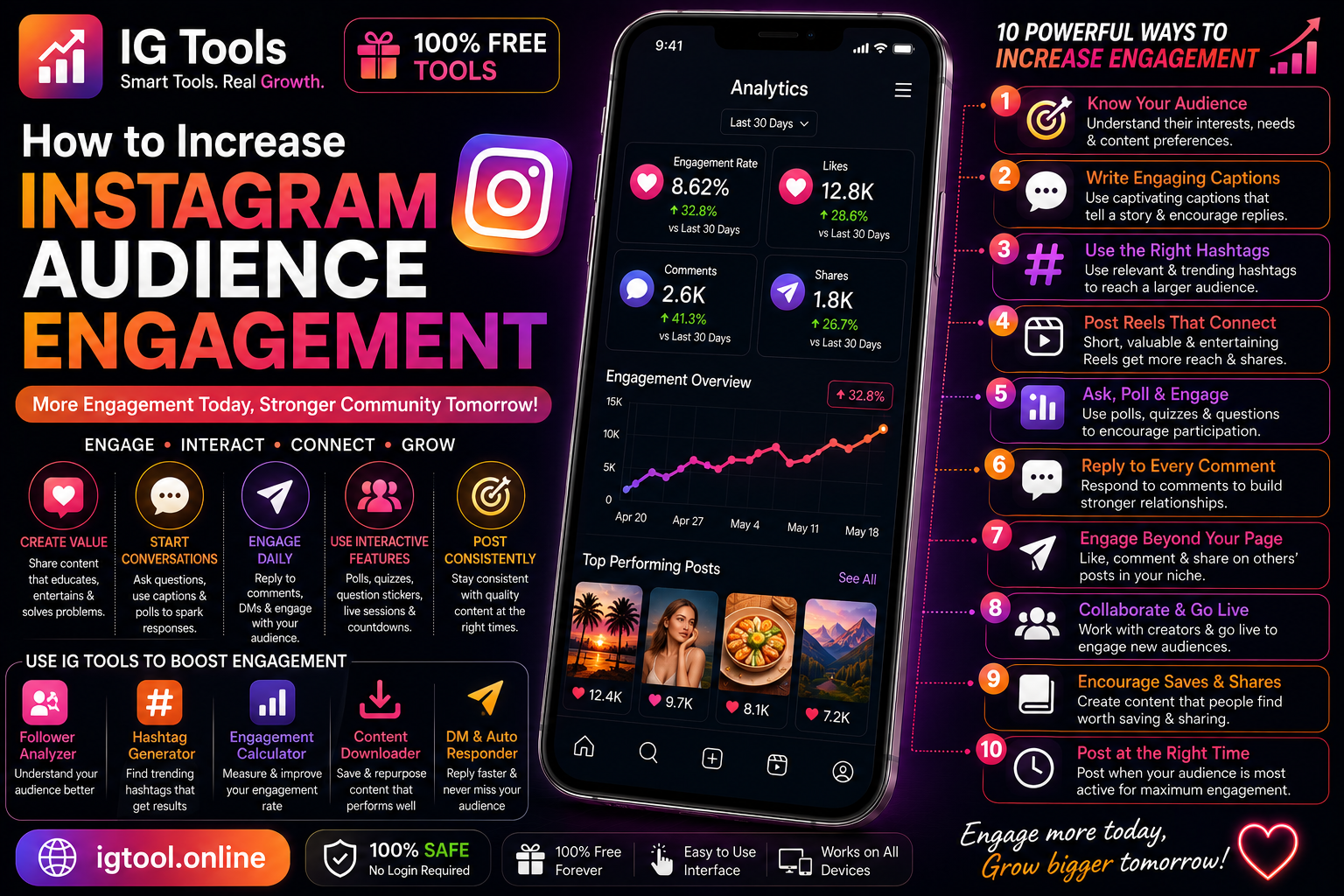
Step 16: Use IG Tools for Analytics
Analytics are essential for understanding whether your strategy is working.
Track follower growth, reach, engagement, Reel views, Story views, shares, saves, profile visits, and other metrics related to your goals.
Use IG Tools to organize and compare your data.
Do not focus only on one successful post. Look for patterns across multiple pieces of content.
Step 17: Learn From Your Best Content
Your highest-performing posts can tell you what your audience wants.
Compare your best Reels, carousels, Stories, and other posts.
Look at their topics, hooks, formats, captions, and presentation styles.
Then create new content inspired by the successful patterns while keeping your ideas original.
Step 18: Test Different Content Formats
Do not assume one format will always work.
Experiment with Reels, carousels, images, Stories, tutorials, educational content, behind-the-scenes posts, and other formats that fit your niche.
Track the performance of each format.
You may find that Reels generate reach while carousels generate saves and Stories generate direct conversations.
Use each format according to its strengths.
Step 19: Improve Your Posting Times
Your audience may be more active at certain times.
Use Instagram analytics or IG Tools to identify possible activity patterns.
Test different posting times and compare results over several weeks.
Do not assume that generic “best posting times” will automatically work for your account.
Your own audience data is more useful.
Step 20: Avoid Fake Growth
Do not buy followers, likes, comments, or views.
Artificial engagement can make your account look larger temporarily, but it does not create a genuine audience.
It can also make your analytics inaccurate and prevent you from understanding what your real followers want.
Focus on attracting relevant people naturally.
Step 21: Build a Content Calendar
A content calendar can make your Instagram strategy easier to manage.
Plan your posts, Reels, Stories, campaigns, collaborations, and important dates in advance.
This reduces last-minute pressure and helps maintain consistency.
Scheduling IG Tools can make it easier to connect your content calendar with your publishing workflow.
Step 22: Repurpose Your Best Content
You do not need a completely new idea for every post.
Turn a successful Reel into a carousel. Convert a long tutorial into several short videos. Use a common audience question as a Story series.
Repurposing helps you get more value from your strongest ideas.
Always adapt the content to the format rather than simply reposting the exact same material.
Step 23: Monitor Your Engagement Rate
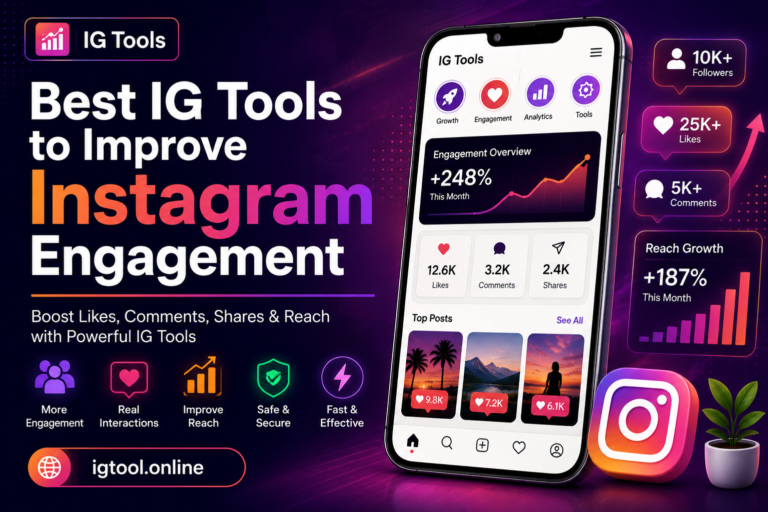
Track likes, comments, shares, saves, replies, and other interactions.
Engagement rate can help you understand whether your audience is actively responding to your content.
Do not focus solely on likes. Shares and saves can indicate strong content value, while comments and replies can show community interest.
Use consistent measurement methods so you can compare your performance over time.
Step 24: Improve Your Strategy Based on Data
Analytics are useful only when they influence your decisions.
If educational content consistently generates strong saves and shares, create more educational content.
If certain promotional posts receive weak engagement, improve the way you present them or reduce repetitive promotions.
Use your data to make small, informed improvements rather than changing your entire strategy every week.
Step 25: Stay Consistent and Patient
Organic Instagram growth rarely happens instantly.
Some posts will perform better than others. You may experience periods of slow growth even when your strategy is improving.
Continue publishing useful content, engaging with your audience, and learning from your results.
Consistency gives you more opportunities to improve and discover what works.
Step 26: Keep Your Strategy Flexible
Instagram trends and audience interests can change.
Do not become so focused on one strategy that you ignore new opportunities.
Experiment with relevant trends, formats, and topics while keeping your content connected to your niche.
Use IG Tools and analytics to determine whether new strategies actually improve your results.
Step 27: Protect Your Instagram Account
If you use third-party IG Tools, account security should be a priority.
Use reputable services and review the permissions they request.
Avoid tools that promise unrealistic results or require unnecessary account information.
Your Instagram account and audience are valuable assets, so security should always come before convenience.
Step 28: Review Your Progress Regularly
Set aside time each week or month to review your account.
Look at follower growth, reach, engagement, content performance, profile visits, and other important metrics.
Identify what worked, what did not work, and what you want to test next.
This creates a continuous improvement cycle.
Step 29: Build a Repeatable System
Organic growth becomes easier when you have a repeatable process.
Research topics, plan content, create posts and Reels, publish consistently, engage with your audience, analyze results, and improve.
Use IG Tools where they save time or provide useful information.
A simple system that you can maintain for months is more valuable than a complicated strategy that you abandon after a few weeks.
Step 30: Focus on Real Audience Relationships
The final step is remembering what Instagram growth is actually about.
Follower numbers are useful, but a genuine audience is much more valuable.
Create content for real people, respond to their needs, listen to their feedback, and provide consistent value.
Avoid shortcuts that prioritize numbers over relationships.
Final Thoughts
Growing Instagram organically step by step requires a combination of strategy, consistency, creativity, and patience. Start by defining your goals and target audience, optimize your profile, create valuable content, use Reels and Stories, engage with followers, and analyze your results.
Use IG Tools for content research, analytics, scheduling, keyword research, and performance tracking. These tools can make your workflow more efficient and help you make smarter decisions, but they should never replace authentic content and genuine engagement.
Avoid fake followers and artificial engagement. Instead, focus on reaching relevant people, creating content they genuinely want to consume, and continuously improving based on real audience behavior. With a consistent process and a long-term mindset, you can build a stronger Instagram presence and grow your account organically over time.