Instagram Analyser: Features, Metrics, and Practical Uses
Whether you spell it analyzer or analyser, the tool does the same job: it converts an Instagram profile into actionable data. But not all analysers are equal. Some show little more than follower counts, while others reveal engagement patterns, audience quality, hashtag performance, and growth history. Understanding the features, the metrics, and the practical uses of an Instagram analyser helps you pick the right tool and actually act on what it tells you.
This guide breaks down everything a modern Instagram analyser should offer, explains each metric in plain language, and walks through real-world use cases for creators, brands, and agencies.

Core Features of a Good Instagram Analyser
Profile Overview Dashboard
The starting point is a clean dashboard showing the essentials: username, bio, profile category, follower and following counts, total posts, and account type. A good analyser presents this at a glance so you can orient yourself before diving deeper.
Engagement Metrics Engine
The heart of any analyser is its engagement calculation. It should compute average likes, average comments, and engagement rate across a configurable number of recent posts, ideally excluding pinned posts and obvious outliers so the averages reflect typical performance rather than one viral hit.
Follower Growth Tracking
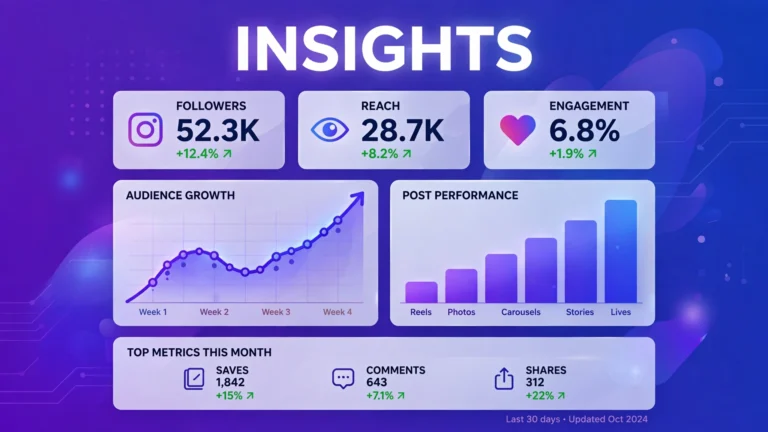
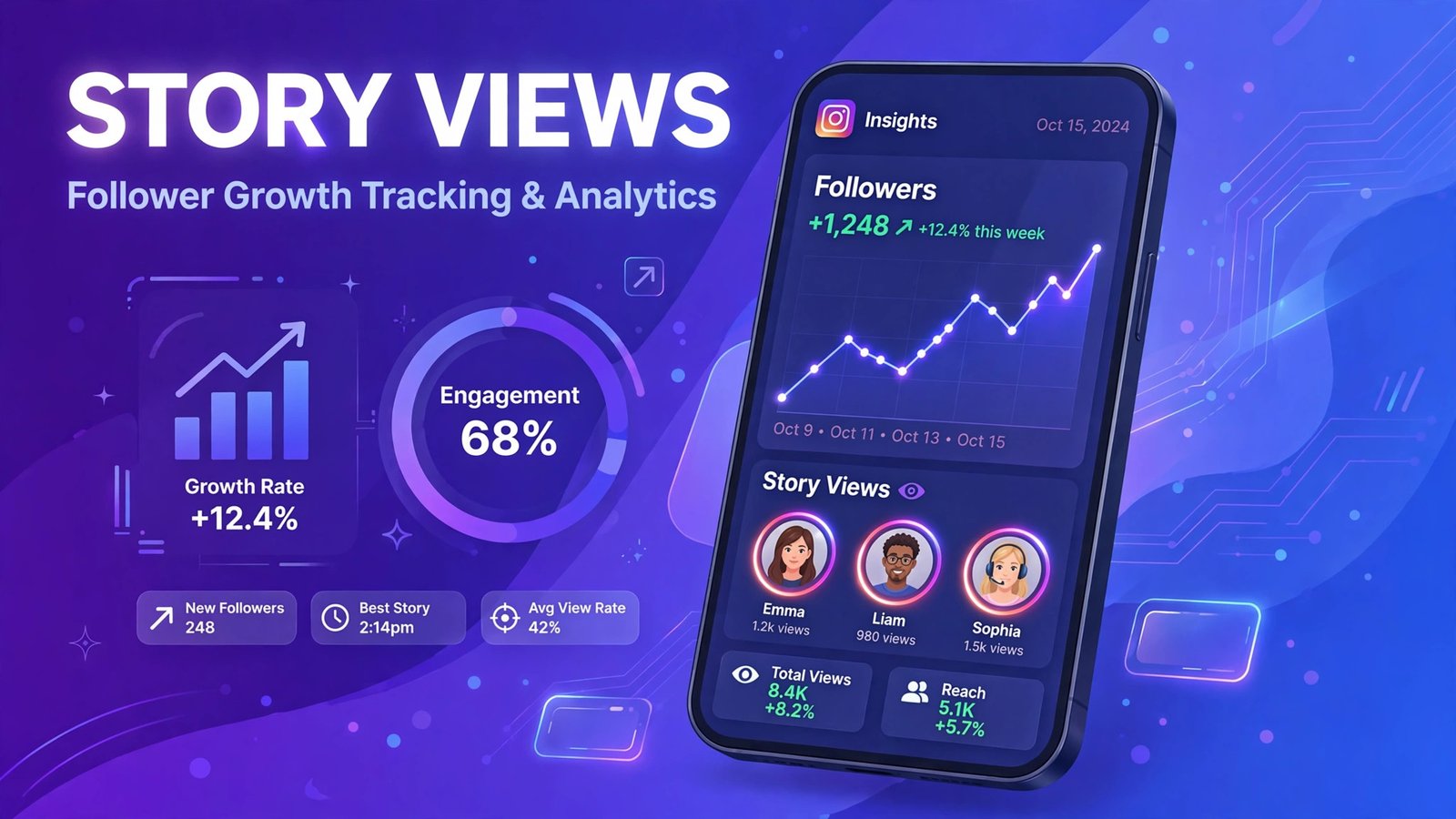
Growth charts show follower changes over days, weeks, and months. The best tools estimate daily gains and flag anomalies, helping you spot the moment a Reel went viral or a shoutout landed.
Content Performance Breakdown
This feature splits metrics by content type. On Instagram, where the algorithm treats Reels, carousels, single images, and Stories differently, knowing which format earns the most reach and saves per post is essential for planning your content calendar.
Hashtag and Caption Analysis
Advanced analysers track which hashtags an account uses most often and correlate them with post performance. This reveals whether hashtags are actually contributing to discovery or just decorating captions.
Audience Quality Indicators
Some tools estimate audience authenticity by analyzing comment patterns, follower-to-engagement ratios, and growth anomalies. While no tool can prove fake followers with certainty, strong signals, such as thousands of followers with near-zero comments, are hard to miss.
Key Metrics Explained
- Engagement rate: (likes + comments) / followers x 100. The headline health metric.
- Average likes/comments: Typical interaction volume per post, best measured over 12+ posts.
- Reach and impressions: How many unique accounts saw content versus total views. Available for your own account via Instagram Insights; estimated for others.
- Posting frequency: Posts per week, a consistency signal the algorithm rewards.
- Best posting times: Hours and days when the account’s posts historically earn the most engagement.
- Follower growth rate: Percentage growth per month, more meaningful than raw follower gains for comparing accounts of different sizes.
Practical Uses for Creators
Refining Your Content Strategy
Run your own profile through an analyser monthly. Identify your top-performing formats and topics, then produce more of what works. Many creators discover that 20% of their content drives 80% of their growth, and the analyser makes that 20% visible.
Finding Your Best Posting Times
Instead of following generic “best time to post” charts, use your own data. An analyser showing when your past posts earned peak engagement gives you a personalized schedule based on when your actual audience is online.
Tracking Progress Toward Goals
Set measurable targets, such as raising engagement rate from 2% to 4% in three months, and use the analyser as your scoreboard. What gets measured gets improved.
Practical Uses for Brands and Marketers
Vetting Influencers Before You Pay Them
Follower counts are easy to fake; engagement patterns are not. Before any sponsored post, analyze the influencer’s last 20 posts. Healthy signs include consistent engagement, real conversational comments, and steady growth. Red flags include engagement concentrated on giveaway posts, generic comments, and follower spikes with no corresponding content success.
Competitor Benchmarking
Analyze three to five direct competitors quarterly. Track their posting frequency, top formats, and engagement rates against yours. The gaps you find, topics they ignore, formats they underuse, become your content opportunities.
Campaign Performance Reviews
After a campaign, compare the posting period’s metrics against the pre-campaign baseline. Did reach, engagement, and follower growth actually move? An analyser gives you the before-and-after numbers for honest reporting.
Practical Uses for Agencies
Agencies use analysers for client onboarding audits, monthly reporting, and prospecting. A one-page analyser report showing a prospect’s engagement gaps is a powerful sales tool: it demonstrates expertise before any contract is signed. For reporting, consistent analyser snapshots create a defensible record of progress that clients can understand at a glance.
Choosing the Right Instagram Analyser
Match the tool to your needs. Casual creators need free, no-login tools covering engagement rate, growth, and content breakdown, which IGTools provides. Growing brands benefit from historical tracking and exportable reports. Agencies need multi-account management and white-label reporting. In every case, avoid tools that demand your Instagram password for basic public analysis, throttle you with aggressive upsells, or show data that never changes, a sign of cached fake numbers.
Frequently Asked Questions
What is the difference between an Instagram analyser and Instagram Insights?
Instagram Insights shows data only for accounts you manage, including private metrics like reach, profile visits, and audience demographics. An analyser works on any public account but only with publicly visible data. They complement each other.
How accurate are third-party Instagram analysers?
For public metrics like likes, comments, and follower counts, they are highly accurate. Reach and impressions for accounts you do not own are estimates. Treat estimated figures as directional rather than exact.
Can brands use analysers to check influencer fraud?
Yes, and they should. Engagement rate analysis, comment quality review, and growth pattern checks catch most follower fraud. For large deals, combine analyser data with manual review of the influencer’s recent comments.
Do analysers work for Reels-only analysis?
Good ones do. Look for a content breakdown that separates Reels views and engagement from photo and carousel posts, since Reels follow different performance patterns.
Is there a free Instagram analyser worth using?
Yes. IGTools offers free account analysis covering engagement rate, follower growth, and content performance without requiring a login, which is enough for most creators and small brands.